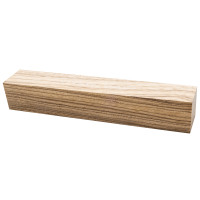
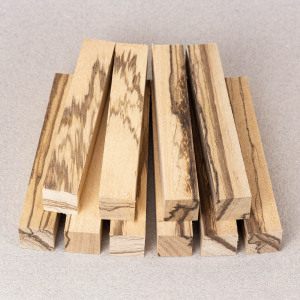
Black limba spindle turning blanks 2" ♦ Beginner-friendly
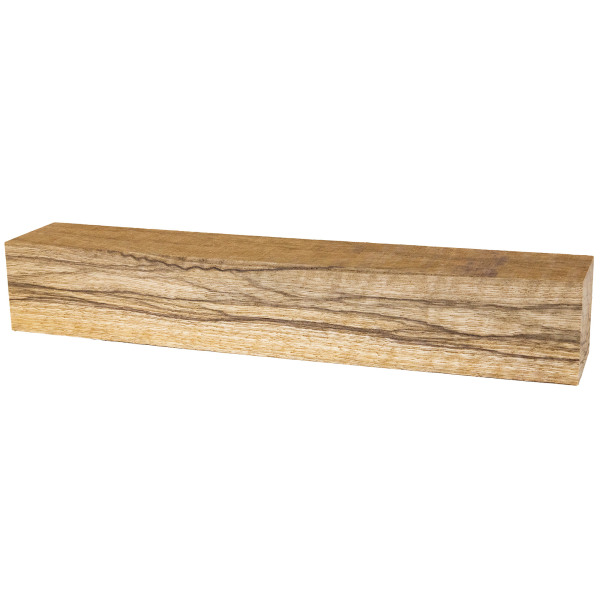
Black limba is an exotic African hardwood known for its striking dark brown and black streaks against a pale golden yellow to light brown background. Also known as black korina, this wood is prized for its dramatic natural patterns, which can range from delicate dark lines to bold, irregular markings. No two pieces look exactly alike.
Black limba is a relatively lightweight hardwood with a medium to coarse texture and a generally straight grain that can sometimes be interlocked. Unlike many dense exotic hardwoods, it is relatively easy to turn and shape, making it an appealing choice for beginners and experienced woodturners alike. Its contrasting colours and distinctive grain patterns make it particularly attractive for projects where the natural character of the wood takes centre stage.
What are the dimensions of this block?
Each spindle blank measures approximately 2" square × 12" long (51 × 51 × 305 mm), providing plenty of material for a variety of turning projects. The wood is skip planed, meaning only the high points have been lightly planed, leaving a natural, textured surface that's ideal for turning. Each blank is selected at random and may vary in colour, grain and dark markings from the image shown.
What kind of projects can I make with a 2" spindle blank?
Black limba is an excellent choice for bottle stoppers, pizza cutter and ice cream scoop handles, and some styles of salt and pepper mills. Its unusual dark streaks also make it particularly attractive for decorative handles, small turned accessories and other spindle-turning projects.
Because black limba is softer and lighter than many exotic hardwoods, it is especially well suited to decorative projects and handles that do not require exceptional hardness or wear resistance.
How should I finish black limba?
Black limba's contrasting dark streaks and lighter background are its main attraction, so a clear finish that enhances the natural grain is usually the best choice. Use sharp turning tools and take light cuts, particularly where the grain changes direction. Although black limba generally turns easily, its occasional interlocked grain can cause tear-out. Sand progressively through finer grits to achieve a smooth, even surface. Because black limba is relatively soft, avoid excessive sanding pressure, which can create uneven areas or round over sharp details.
A clear lacquer, polyurethane or suitable friction polish can bring out the contrast between the dark markings and lighter wood. An oil-based finish will generally deepen the golden tones, while a clear water-based finish can help maintain a lighter appearance. Test your chosen finish on a small area first to see how it affects the wood's colour and contrast.
Two fun facts about black limba:
-
Black limba and white limba come from the same tree species (Terminalia superba). The difference is primarily in their appearance: black limba features dark streaks and markings, while white limba is generally more uniform in colour. These dramatic markings are natural variations in the wood rather than a separate species.
-
Black limba is also known as black korina and has an interesting connection to music history. Korina became famous in the late 1950s when Gibson used it for several distinctive electric guitar models, including the Flying V and Explorer. Its relatively light weight and attractive grain continue to make it popular with guitar makers today.
Price per blank in Canadian dollars.
 English
 Français