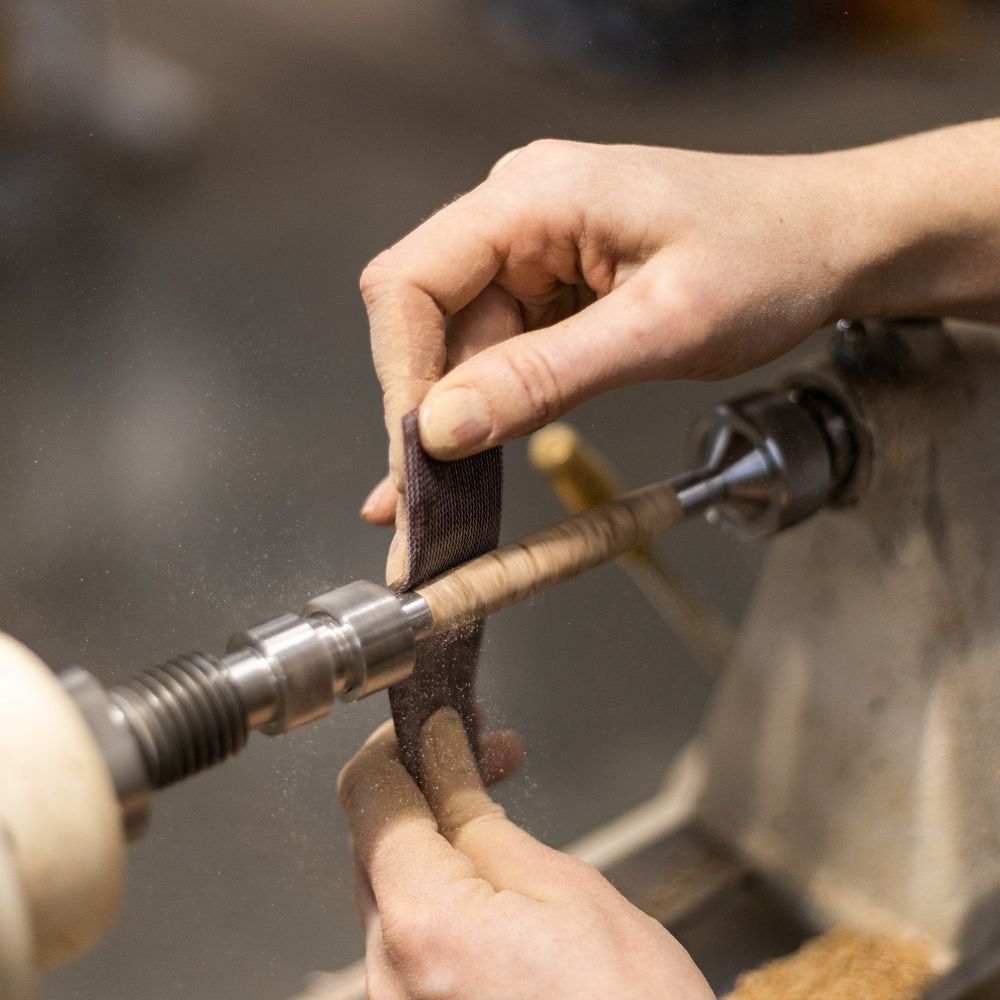
Sanding is an important part of the creative process when turning pens or small projects — and the right abrasives make all the difference in your final finish.
Beginner tip: everyone develops their own favourite techniques the more they turn, so have fun experimenting!
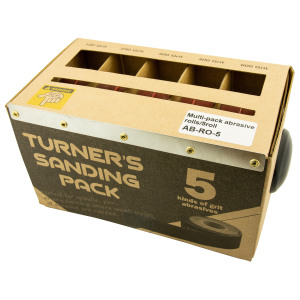
Sandpaper is a simple, reliable starting point but can create more dust and may clog over time.
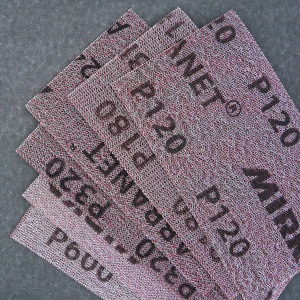
Abranet and sanding mesh can be used in place of conventional sandpaper. Their open-weave design contains small holes that allow dust to be vacuumed away without clogging the surface, helping reduce buildup and heat. Available in grits up to 600.
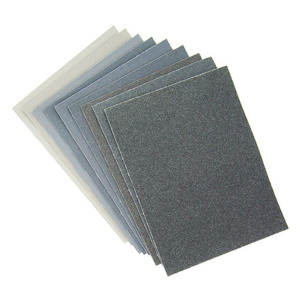
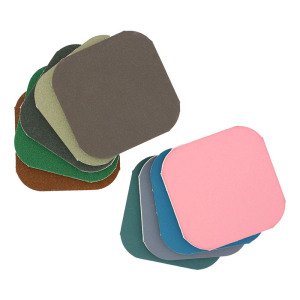
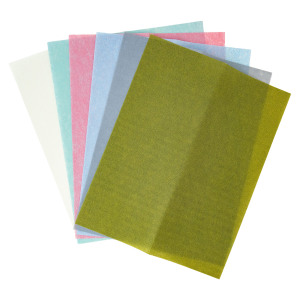
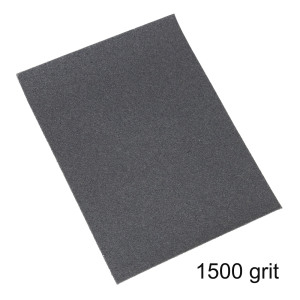
Micro Mesh is the ultimate fine abrasive. Used after sandpaper or sanding mesh, it refines the surface to an ultra-smooth finish. With nine grits from 1,500 to 12,000, it’s ideal for acrylics and CA finishes. Available in double-sided pads or cloth-backed sheets.
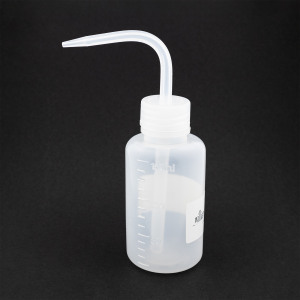
- What is wet sanding? Adding water while sanding) is often used with Micro Mesh to reduce heat, control dust, and carry away debris. You don't have to use water with your Micro Mesh but it will result in fewer swirl marks and a clearer, higher-gloss finish — especially on acrylic.
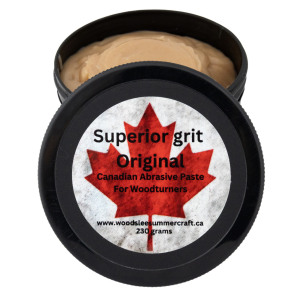
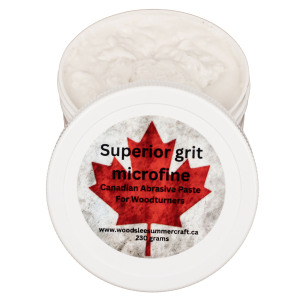
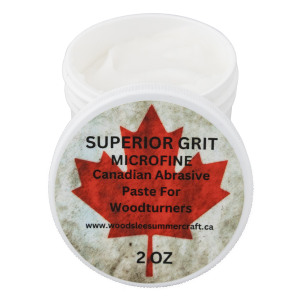
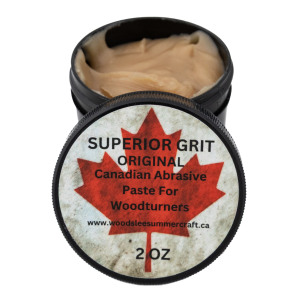
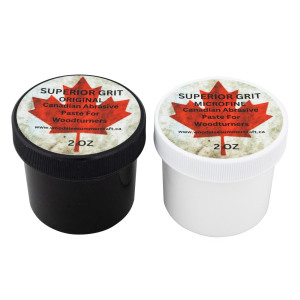
Abrasive pastes: For an even lower-dust option, abrasive pastes like Superior Grit Original can be used in place of sandpaper for light smoothing or Superior Grit Microfine after sanding to further refine the surface before applying a final polish.
 English
 Français